


Cotton-Linen or Polyester? Guide to Dining Chair Upholstery Fabrics

Creating a welcoming dining area begins with the tactile and visual elements you interact with daily. While table dimensions and chair silhouettes define the layout, the fabric wrapped around your seat defines the entire sitting experience. When selecting upholstered dining chairs, fabric choice dictates not only how the room looks in natural morning light, but also how comfortable long dinner parties feel and how simple everyday maintenance will be.
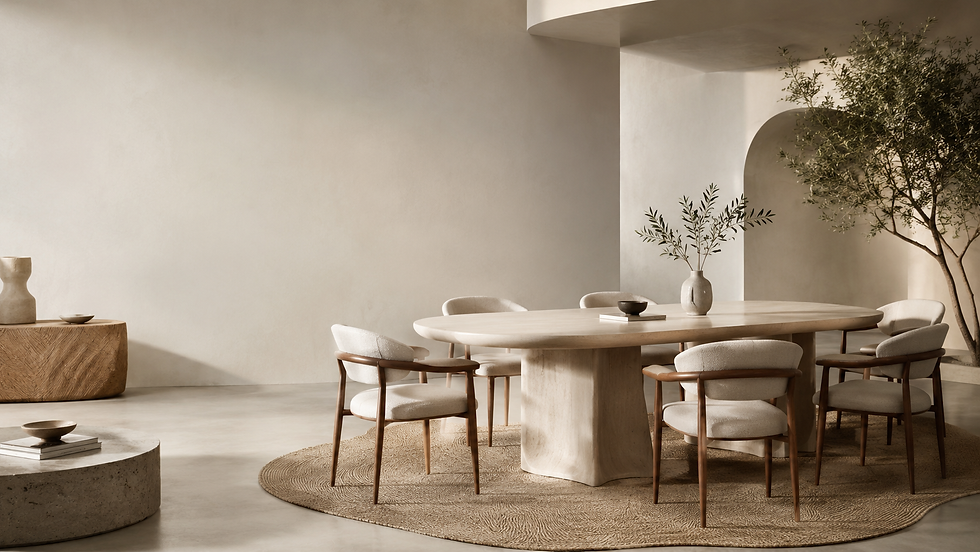
Today, modern interior aesthetics celebrate warm greige, soft cream tones, and grounding natural textures. Two textile options consistently lead this design direction: natural cotton-linen blends and refined high-performance polyester weaves. Both materials bring distinct strengths to modern interiors, yet they serve slightly different lifestyle rhythms and tactile preferences.
This guide breaks down the defining characteristics of both materials so you can choose the right option with complete confidence.
Understanding Dining Chair Upholstery Fabrics: The Core Essentials
Dining seating faces a unique set of demands compared to living room sofas or bedroom accent chairs. A dining chair must withstand repeated daily movement, occasional friction from rough denim or textured clothing, and the inevitable risk of dining spills. At the same time, the fabric needs to maintain breathable comfort across multi-course meals and warm summer evenings.
When evaluating dining chair upholstery fabrics, interior designers focus on four primary pillars:
Tactile Breathability: How pleasant the surface feels against bare skin and whether the weave allows air circulation over extended seating periods.
Visual Depth & Texture: The way weave irregularities, matte fibers, or subtle tonal variations catch ambient light.
Structural Resilience: How well the fibers resist abrasion, sagging, and pilling over years of regular use.
Daily Maintenance Demands: The effort required to vacuum crumbs, address fresh liquid spills, and maintain fabric freshness.
Understanding how natural blended weaves and engineered textiles address these pillars will help you pinpoint your ideal match.
The Organic Warmth of Cotton-Linen Dining Chairs
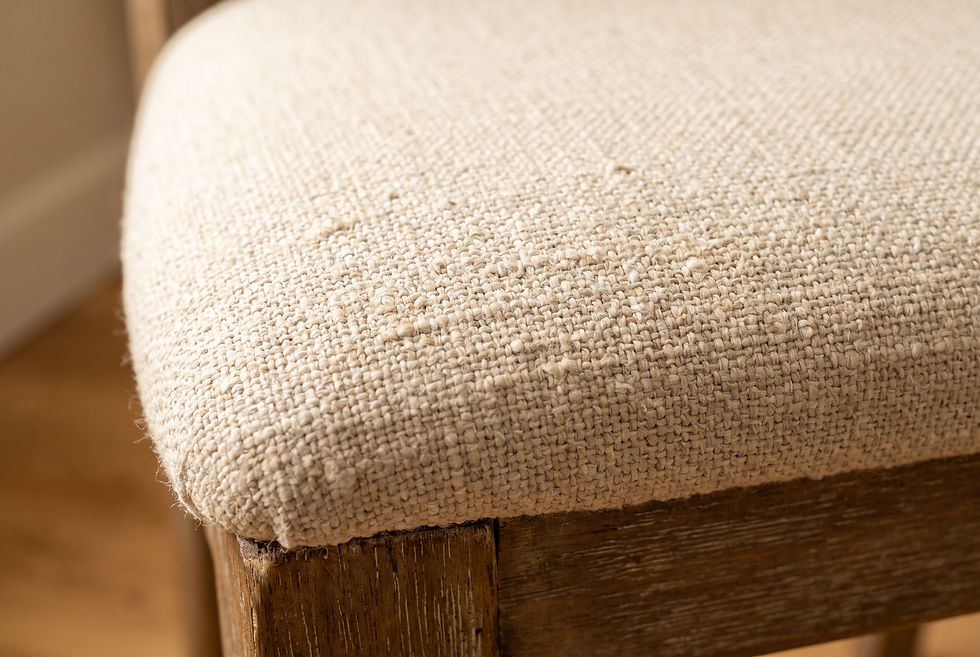
Cotton-linen is a timeless blend combining the soft touch of cotton with the structured, breathable strength of natural flax linen. In contemporary dining rooms shaped by Scandinavian minimalism, Japandi calmness, or warm Mediterranean palettes, cotton-linen upholstery introduces an authentic, lived-in elegance.
Visual Character and Tactile Sensation
The real allure of cotton-linen lies in its organic texture. Linen threads introduce subtle slubs and nuanced irregularities into the weave, giving the fabric a rich matte finish that absorbs light gently. In cream, oatmeal, and soft greige tones, cotton-linen never appears sterile or artificial. Instead, it feels grounded, relaxed, and inherently welcoming.
To the touch, cotton-linen offers immediate natural softness paired with a crisp, dry hand feel. Because both cotton and flax are hollow-core plant fibers, the fabric breathes exceptionally well. You will not experience the clinging heat or static buildup often associated with dense synthetic weaves during prolonged dinner conversations.
Everyday Living and Longevity
Cotton-linen is durable, yet it behaves like a living natural fiber. Over time, it softens and develops a gentle patina that many design enthusiasts cherish. However, natural fibers are absorbent. Liquid spills need prompt blotting to prevent moisture from sinking deep into the cushion padding. Cotton-linen is ideal for mindful households, adult dining environments, and homeowners who value authentic natural textiles above all else.
The Dependable Resilience of Polyester Weaves

Modern polyester weaves have evolved far beyond early synthetic textiles. Today's high-grade polyester dining upholstery delivers sophisticated texture, tailored crispness, and outstanding practical performance for busy modern homes.
Visual Elegance and Tailored Cleanliness
Polyester can be spun into multifaceted textured yarns that closely emulate natural linen or fine woven wool while offering superior yarn uniformity. In neutral palettes like off-white, warm sand, and charcoal, polyester upholstery holds its exact shape and uniform color without fading quickly in sunlit dining spaces.
If you prefer clean lines, smooth edges, and upholstery that remains taut across continuous daily use, polyester provides a sharp, pristine silhouette that complements modern dining tables with solid wood or metal legs.
Performance and Stain Resistance
The standout advantage of polyester is its low moisture absorbency. Synthetic filaments naturally resist liquid penetration, giving you crucial extra moments to wipe away spilled water, tea, or sauces with a clean microfiber cloth. Polyester yarns also offer exceptional tensile strength, resisting friction wear, surface fuzzing, and snagging from pet claws or hardware on clothing.
For growing families, lively hosting environments, or open-plan dining spaces used as daily work-from-home desks, polyester provides stress-free durability without compromising visual sophistication.
Direct Comparison: Cotton-Linen vs. Polyester
To help you weigh both options side by side, review the practical comparison table below:
Evaluation Criteria | Cotton-Linen Blend | High-Grade Polyester | Best Fit Scenario |
Aesthetic Impression | Organic matte texture with natural slub variations | Crisp, uniform weave with tailored structure | Cotton-linen for organic warmth; Polyester for clean precision |
Touch & Breathability | Exceptionally breathable, cool to the touch, natural feel | Soft and smooth, moderate thermal breathability | Cotton-linen for maximum airflow during long dinners |
Abrasion Resistance | Moderate to high; develops a soft lived-in patina | High to exceptional; resists surface friction and pilling | Polyester for heavy daily traffic and active households |
Spill & Stain Care | Requires immediate blotting; gentle spot cleaning only | Hydrophobic nature allows easy wipe-downs for common spills | Polyester for relaxed daily maintenance |
Sunlight Colorfastness | Natural fibers may soften tone under direct UV exposure | High resistance to UV light and color fading | Polyester for sun-drenched dining nooks and large windows |
Interior Style Synergy | Japandi, Scandinavian, Organic Modern, Wabi-Sabi | Contemporary, Modern Minimalist, Transitional, Urban | Choose based on overall room architectural elements |
Matching Your Fabric Choice to Your Dining Lifestyle
Selecting between cotton-linen and polyester is ultimately a personal decision based on how your dining area functions from morning coffee to late-night hosting.
When Cotton-Linen Is Your Best Choice:
You are designing a peaceful, tactile space dominated by raw oak, travertine, ceramics, and linen curtains.
You appreciate natural imperfections and love materials that age gracefully over time.
You prioritize skin comfort and thermal regulation during extended sit-down meals.
Your dining room is a dedicated hosting space where spills can be attended to promptly.
When Polyester Is Your Best Choice:
Your dining table doubles as a multipurpose hub for remote work, family meals, and children's homework.
Your dining area receives intense, direct sunlight throughout the day.
You want chairs that maintain a crisp, factory-fresh appearance with minimal upkeep.
You host frequent gatherings and prefer low-maintenance entertaining where cleaning up is quick and effortless.
Essential Care Guidelines for Both Fabrics
Regardless of which material matches your personal space, establishing a simple fabric care routine will protect your dining chairs for years to come:
Weekly Surface Vacuuming: Use an upholstery brush attachment on low suction to remove dust and crumbs from seams, piping, and deep cushion crevices.
Immediate Spill Response: Always dab fresh spills with a dry, lint-free white cloth. Never rub or scrub aggressively, as this can push pigments deeper into the weave.
Gentle Cleaning Solutions: Use mild, pH-neutral fabric cleaners diluted with distilled water. Always test any cleaner on a hidden underside swatch before treating visible surfaces.
Balanced Sun Exposure: Rotate chairs periodically around your dining table so that all seats experience equal light exposure and even wear patterns over time.
FAQ
Which fabric is better for homes with pets: cotton-linen or polyester?
Polyester is generally better suited for homes with pets. Its continuous synthetic yarns resist snagging from claws and do not trap pet hair as deeply as open natural weaves. Furthermore, accidental pet stains are simpler to clean on polyester without leaving water marks.
Does cotton-linen dining chair fabric wrinkle or stretch over time?
Because flax fibers have low natural elasticity, cotton-linen can develop gentle surface softening and minor creasing with regular seating. This relaxed, lived-in quality is a celebrated design feature of organic textiles rather than a manufacturing flaw.
Can I use fabric protector sprays on both cotton-linen and polyester chairs?
Most water-based fabric protectors are compatible with both materials. However, always check the chair care label first and perform a discreet patch test on the underside of the seat to ensure the spray does not alter the fabric hand feel or color.
How do I choose between cream cotton-linen and cream polyester for a greige dining room?
Consider the lighting and surrounding textures. If your space features lots of smooth glass, metal, or painted drywall, cream cotton-linen adds essential tactile warmth. If your room already has heavy natural wood and textured rugs, cream polyester provides a clean, tailored balance.
Find Your Ideal Dining Chair Fabric
Save your favorite dining chair models by material and contact our interior team for a personalized recommendation tailored to your dining room layout and daily lifestyle.


Comments